

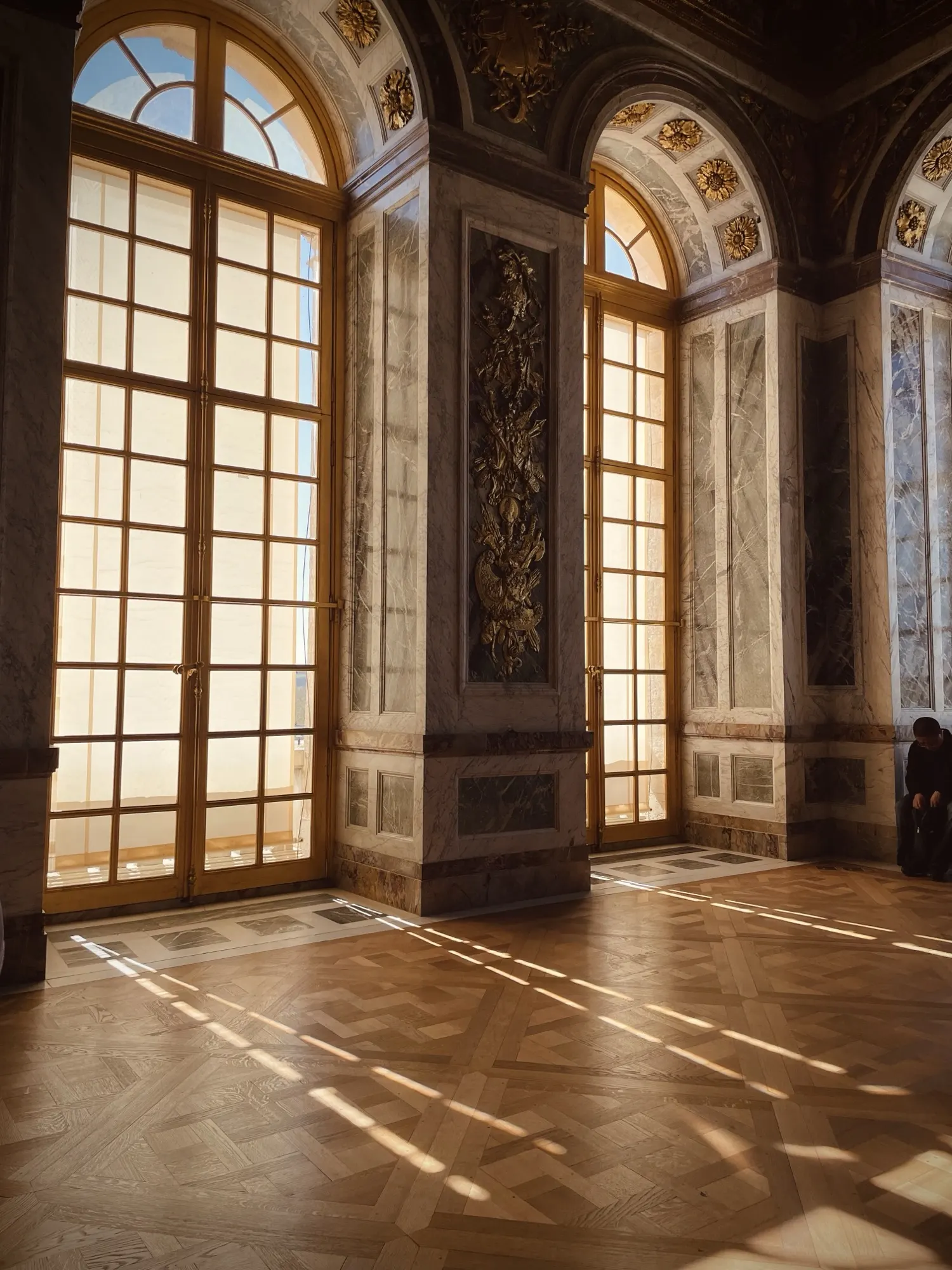
The hire fee answers neither question on its own. Bridebook's 2026 UK Wedding Report puts average venue hire at £6,040 without catering, £6,343 for a barn and £7,485 for a country house. Those are the building. Food, drink, furniture and the rest sit outside them, which is where a cheap dry hire stops being cheap.
What a dry hire wedding venue is
Dry hire is the empty building, or close to it. You get the space for an agreed window. You bring the caterer, the bar, often the tables, chairs and linen, and sometimes the toilets, the power and the lights. Barns and warehouses are the usual examples. A house can be dry hire too, if the owners rent the rooms and leave the rest to you.
The appeal is control. Your caterer, your suppliers, a layout the brochure did not draw. The work is the same list: every missing piece is a contract, a delivery time and a person who has to be let in. How to choose a wedding venue treats venue type as the thing that moves the final bill, and dry hire is the type where the brochure price and the final bill are furthest apart.
What exclusive use wedding venues mean
Exclusive use means no other wedding, party or hotel guests in the spaces you have taken, for the hours you have taken them. You get the grounds, the evening and, often, the bedrooms. It says nothing, by itself, about whether food and furniture are included. An exclusive-use house with its own kitchen is a different day from an exclusive-use barn you fit out from scratch.
The opposite is a shared building. A hotel function room, or a restaurant's private dining room, can be entirely yours while the rest of the place trades as normal. That is not exclusive use, and it is often the calmer choice for a smaller wedding. The all-in numbers by type, including hotels and restaurants, are in how much a wedding venue costs.
Dry hire and exclusive use, side by side
| Dry hire wedding venue | Exclusive use wedding venues | |
|---|---|---|
| What you are buying | The space, for a set time | The property to yourselves, for a set time |
| Food and drink | You bring them, unless the hire says otherwise | Often the venue's own team, sometimes still yours |
| Furniture and linen | Often hired in | Usually already there |
| Who else is on site | Whoever the hire allows. Exclusive use is a separate question | Your wedding, not another event |
| Who runs the day | You, or a coordinator you book | Often a venue coordinator, up to a stated time |
| Where the price hides | In everything the empty room does not contain | In minimum spends, bedrooms you must take, and extras after the brochure |
Which suits you
A dry hire wedding venue suits you if you want your own caterer and suppliers, and you will add the missing pieces up before you fall for the hire fee. It takes more emails and a person in charge on the day. It suits a couple who likes that, or who is booking a coordinator.
Exclusive use wedding venues suit you if the point is the place to yourselves: the grounds, the evening, breakfast the next morning, guests who are not walking through someone else's event. Pay for the version that includes food and furniture if you do not want a second project. Sharing a hotel or a restaurant is the better fit when the guest list is small and the building's other life does not bother you.
You can want both, and you should say so in the first email. "Exclusive use, and is the hire dry?" is one sentence. How to email wedding venues is the longer version of that email.
Questions to ask before you book either
Take the 25 questions to ask a wedding venue to every viewing. These are the ones that separate a dry hire wedding venue from exclusive use wedding venues. Ask them by email first, so the answers exist before you drive there.
- Is any other event on site that day, including in a second barn or the hotel rooms?
- What is in the building when we arrive: tables, chairs, linen, a working kitchen, toilets, heating, power?
- Who holds the alcohol licence, and do we need a Temporary Event Notice?
- What time can suppliers get in, and when must the last van leave?
- Is there a coordinator, and until what time?
- If there are bedrooms, do we have to take all of them, and is that inside the hire fee?
- What is not in the price you just sent?
Aisley asks venues these questions for you and files the answers on your shortlist. She writes in your voice, reads what comes back, and chases a venue that goes quiet, so the price, the licence and the hours sit on the venue rather than in an inbox. You decide which places are worth a viewing. How it works.
Quick answers
You rent the space and bring the rest of the day: caterer, bar, and often furniture, toilets and extra power. The hire fee is the building. It looks low until those lines are added, which is why it should be compared with exclusive use on the full day, not on the brochure.
Places you have to yourselves for the wedding, with no other event running at the same time. Exclusive use does not mean the catering and the furniture are included. A venue can be exclusive use and still be dry hire. Ask both.
The hire often is. Bridebook's 2026 averages are £6,343 for a barn and £7,485 for a country house, both before catering. The day is cheaper only if furniture, catering, a bar, toilets, power and any licence come in under the gap. Price those before you decide the barn has won.
What is already in the building, who else is on site, who holds the alcohol licence, when suppliers can get in and out, and whether bedrooms are compulsory. The longer list is 25 questions to ask a wedding venue, which covers the contract and the curfew as well.